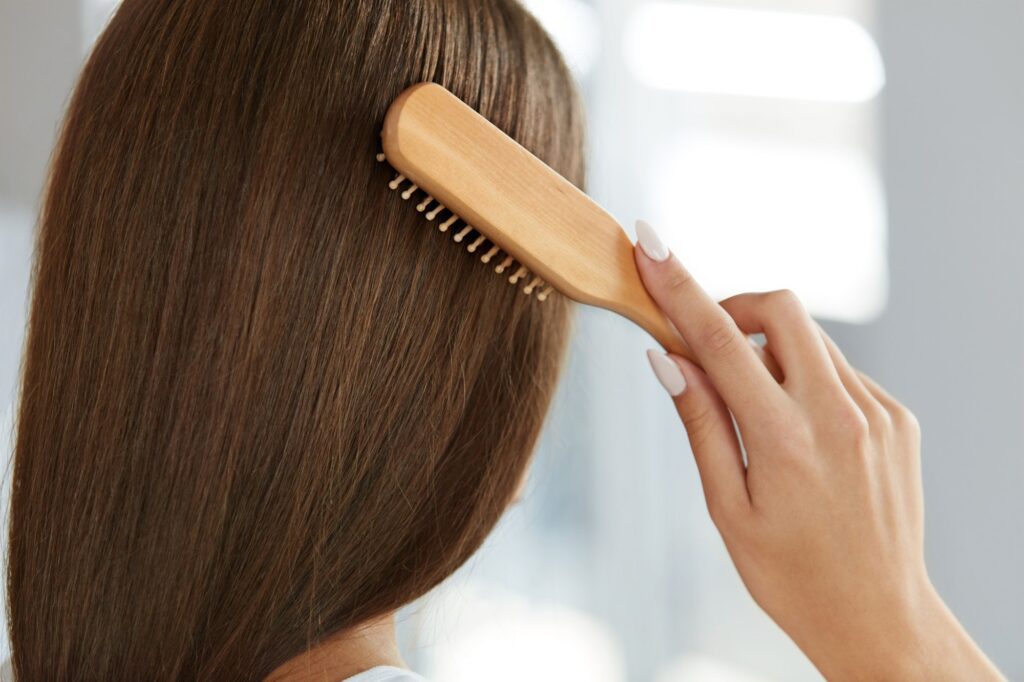
Hair thinning does not always begin with visible bald patches or excessive hair fall. In many cases, the changes happen gradually, making them difficult to notice at first. Your hair may start looking less dense, your parting may become wider, or your scalp may become more visible under bright light.
Recognising these early changes can help you understand your hair’s condition and decide when to seek professional advice.
At Immer Organic, our approach focuses on understanding scalp health and the factors that may contribute to hair concerns. In this guide, we explain the early signs of hair thinning, common causes, and practical steps to help you care for your hair.
What Is Hair Thinning?
Hair thinning refers to a reduction in hair density, meaning fewer visible hairs cover a particular area of the scalp. It may develop gradually or occur alongside increased hair shedding.
Hair thinning and hair fall are related but different concerns. Hair fall refers to hairs shedding from the scalp, while thinning describes a noticeable reduction in overall hair coverage.
Some people experience both, while others notice their hair becoming thinner without a dramatic increase in daily shedding.
7 Early Signs of Hair Thinning You Should Not Ignore
1. Your Hair Parting Is Becoming Wider
One of the earliest signs of hair thinning can be a gradual widening of your natural hair parting. You may notice more scalp showing along the centre part or that your parting looks different from previous months.
This change can be particularly noticeable in women, although thinning patterns vary between individuals.
What to do: Compare photographs taken under similar lighting conditions rather than relying on a single observation.
2. Your Scalp Is Becoming More Visible
If your scalp appears more visible around the crown, temples or top of your head, it may indicate a change in hair density.
However, lighting, wet hair, hairstyle and naturally fine hair can also make the scalp appear more visible. Look for persistent changes rather than occasional differences.
3. Your Ponytail Feels Thinner Than Before
If you regularly tie your hair, you may notice that your ponytail feels smaller or that you need to wrap your hair tie around it more times than usual.
This can be a useful personal observation, although hair length, breakage and styling habits can also affect ponytail thickness.
4. Your Hairline Looks Different
Pay attention to gradual changes around the temples, forehead or crown. A receding hairline or increasing thinness in these areas can sometimes indicate pattern hair loss.
Hairline shape naturally varies from person to person, so the most useful comparison is with your own earlier photographs.
5. Your Hair Looks Less Voluminous
Does your hair seem flatter even when you follow your usual washing and styling routine?
A reduction in hair volume can sometimes accompany thinning. However, oiliness, product buildup, humidity and changes in hair texture may also affect how full your hair looks.
6. You Notice More Hair Shedding Than Usual
Finding more hair than usual on your pillow, hairbrush or in the shower may indicate increased shedding.
Some daily shedding is normal. A persistent increase, especially when accompanied by reduced hair density, deserves attention. Hair shedding can have several causes, including illness, stress, nutritional deficiencies and hormonal changes.
7. Your Hair Takes Longer to Look Full After Styling
If your usual hairstyle no longer provides the same coverage, you may be noticing a change in density or hair texture.
This observation alone cannot confirm hair thinning. Look for a consistent pattern across several weeks and consider other changes in your hair and scalp.
What Causes Hair Thinning?
Hair thinning can develop for several reasons. Identifying the underlying cause is more useful than treating every case as the same problem.
Common contributing factors include:
- Genetics: Hereditary pattern hair loss can affect both men and women.
- Hormonal changes: Certain hormonal conditions and life stages can influence hair growth.
- Stress or illness: Physical or emotional stress, significant illness and some medical events can trigger increased shedding.
- Nutritional deficiencies: Inadequate nutrition or deficiencies in nutrients such as iron may contribute to hair loss.
- Scalp conditions: Certain inflammatory or infectious scalp conditions can affect hair health.
- Hair practices: Frequent chemical processing, excessive heat and tight hairstyles may contribute to hair damage or traction-related hair loss.
- Medications and medical conditions: Some medicines and underlying health conditions can affect the hair growth cycle.
Not every case of thinning has the same cause. A healthcare professional can help determine whether further examination or testing is needed.
How to Check for Early Hair Thinning at Home
You do not need to check your hair repeatedly throughout the day. A simple, consistent approach is more useful.
Step 1: Take Reference Photographs
Take photographs of your hairline, centre parting and crown using similar lighting, angles and hairstyles. Repeat periodically to compare changes.
Step 2: Observe Your Hair Density
Notice whether your parting appears wider, your ponytail feels smaller or specific areas show more scalp than before.
Step 3: Pay Attention to Shedding
Observe whether increased shedding persists or occurs alongside visible thinning. Avoid drawing conclusions from a single shower or brushing session.
Step 4: Review Recent Changes
Consider recent illness, major stress, dietary changes, new medications or changes in your hair-care routine. These details may help a professional understand the possible cause.
Step 5: Seek Professional Advice When Needed
If thinning progresses, shedding becomes persistent or you develop bald patches, scalp pain, redness, scaling or itching, consult a qualified healthcare professional or dermatologist.
Sudden or patchy hair loss and scalp inflammation should be assessed promptly rather than managed with home remedies alone.
Can Early Hair Thinning Be Prevented?
Not every form of hair thinning can be prevented, particularly when genetics or certain medical conditions are involved. However, taking care of your hair and identifying contributing factors early may help reduce avoidable damage and support appropriate treatment.
Here are some practical habits to consider:
- Eat a balanced diet with adequate protein and essential nutrients.
- Avoid tight hairstyles that repeatedly pull on the hair.
- Limit excessive heat styling and harsh chemical processing.
- Use hair-care products suited to your scalp and hair type.
- Avoid taking supplements or starting treatments without understanding whether they are appropriate for you.
- Seek professional advice if you notice persistent changes in hair density.
Remember that healthy hair care supports hair health, but it cannot guarantee prevention or regrowth in every situation.
Does Scalp Care Matter When Hair Starts Thinning?
Your scalp is the environment in which your hair grows, so keeping it comfortable and managing conditions such as dandruff or irritation can be an important part of a hair-care routine.
However, scalp care alone does not address every cause of thinning. Genetic hair loss, hormonal conditions and nutritional deficiencies may require different forms of assessment and management.
At Immer Organic, our approach emphasises scalp-first, root-focused care and understanding individual hair concerns. The appropriate care plan depends on the person’s scalp condition, hair history and the likely factors contributing to their symptoms.
If you are noticing changes in your hair density, a scalp assessment can be a starting point for understanding your concerns and deciding whether further professional evaluation is appropriate.
Frequently Asked Questions
What is the first sign of hair thinning?
Early signs may include a widening hair parting, reduced hair volume, increased scalp visibility or gradual changes around the hairline. The first sign varies from person to person.
Can hair thin without excessive hair fall?
Yes. Some forms of hair loss gradually reduce hair density without causing an obvious increase in daily shedding.
How can I tell if my hair is thinning or breaking?
Hair thinning involves reduced hair density, while breakage occurs when hair strands snap along their length. Short broken hairs, split ends and uneven lengths may suggest breakage, although both problems can occur together.
At what age does hair thinning begin?
Hair thinning can begin at different ages. Hereditary hair loss may start in early adulthood, while other causes can occur at various stages of life.
Can early hair thinning grow back?
Regrowth depends on the underlying cause. Hair may recover after some temporary forms of shedding, while hereditary or scarring hair loss may require different management. Early assessment can help clarify the options.
Should I use hair oil if I notice thinning?
Hair oil may help condition hair and reduce friction-related breakage, depending on the product and how it is used. It does not reliably treat every cause of hair thinning.
When should I consult a professional for hair thinning?
Consider an assessment if thinning persists or progresses, your hairline changes noticeably, or you develop bald patches or scalp symptoms. Sudden or patchy hair loss should be evaluated promptly.
Final Thoughts
Hair thinning often develops gradually, and the earliest changes can be easy to overlook. A wider parting, reduced volume, a changing hairline or increased scalp visibility may be worth paying attention to, especially when these changes persist over time.
Rather than relying on guesswork or trying multiple products at once, focus on observing changes consistently and understanding their possible causes.
Concerned about changes in your hair density? Immer Organic can help you explore your scalp-care concerns and understand the next steps for an appropriate assessment.
Visit Immer Organic to learn more about our approach to scalp-focused hair care.
Health note: This article is for educational purposes and is not a substitute for medical diagnosis or treatment.